

Most glove reviews read like someone copied the product description and sprinkled in a few adjectives. This is not that. I have put eight months and somewhere north of 6,000 miles on a pair of COMMUTER leather riding gloves, across a cold Idaho spring, a hot canyon summer, and mornings that now sit right at freezing. I wore them on my 2017 Road King for daily runs into Twin Falls, weekend loops through the canyons, and a two-week trip that covered four states. What follows is the honest version, including the things I wish somebody had told me before I bought them.
I want to be clear about who this review is for. I am not a racer and I am not a gear collector. I am a 54-year-old rider who puts real miles on one motorcycle, a 2017 Road King with about 60,000 miles on it, and I buy gear that has to earn its place. When something works, I say so. When it does not, I say that too. This pair of COMMUTER gloves has now been through enough that I can give you a straight answer either way.
The Quick Verdict
A genuinely good leather glove for the money, once you get past a break-in that takes longer than it should and a cuff that runs small.
Amazon Check Today's Price →The short version: COMMUTER gloves are honest value, with honest flaws.
They are not the last glove you will ever buy, and they are not waterproof no matter what you read online. But for the rider who wants real leather without a luxury price tag, they earn their place on the bike. Check today's price and decide for yourself.
Amazon Check Today's Price on Amazon →How I've Used Them
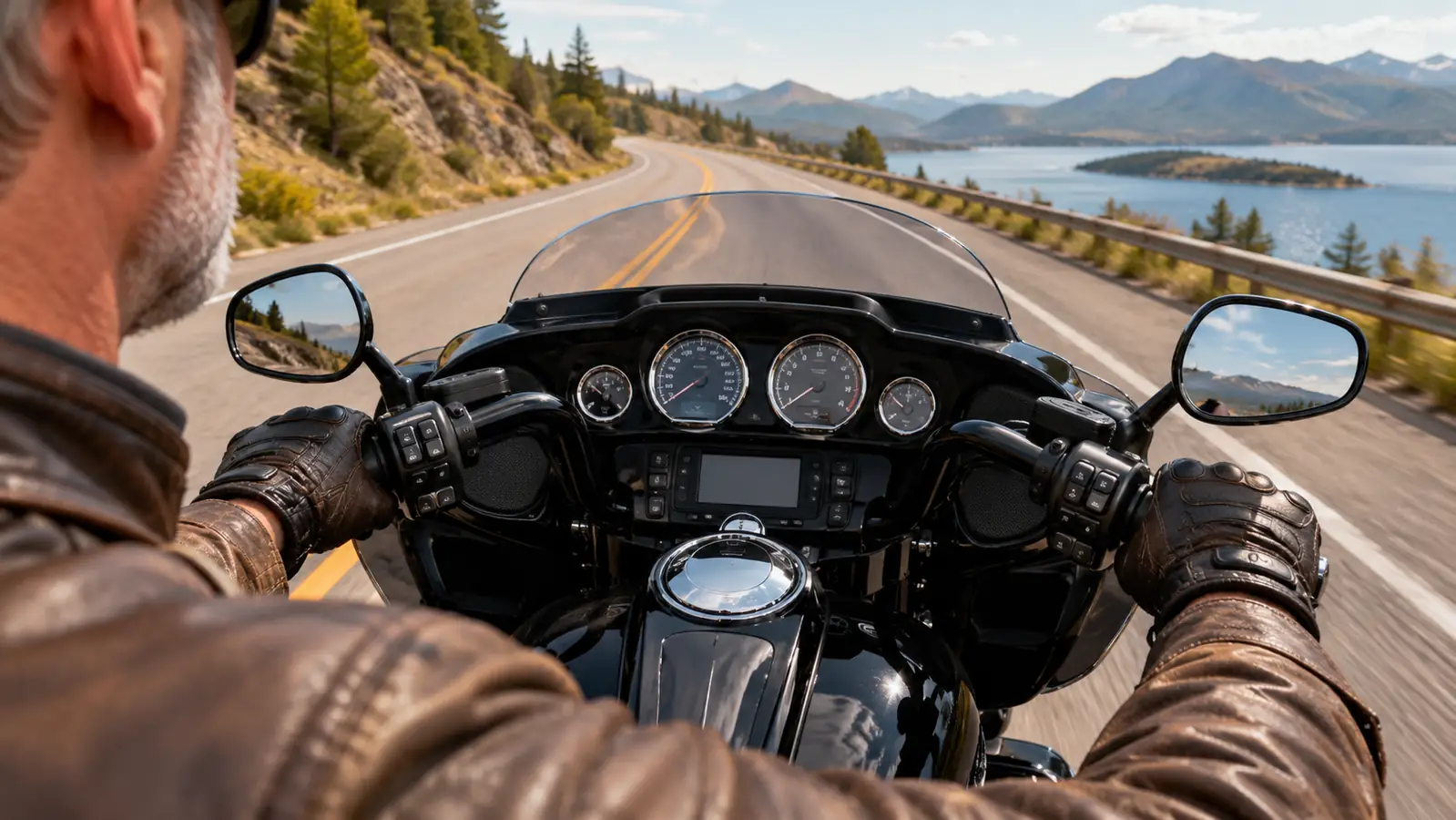
To be clear about the conditions: my Road King is a touring bike, so I am not a canyon-carver hanging off the pegs. I ride upright, both hands on the bars, a lot of highway miles with wind and weather doing their best to find the gaps in my gear. These gloves have seen rain, wind, dust, and enough sun to bake the leather. They have also seen a fair amount of neglect, because I am not the rider who conditions his gloves every week.
I wore them for the daily commute, which for me is about forty minutes each way. I wore them on weekend loops through the southern Idaho canyons, where the temperature can swing twenty degrees between the valley floor and the top of a pass. And I wore them on the long summer trip, where a full day in the saddle means eight hours of grip, shift, brake, repeat. That is the testing I trust: not a bench test, not a first impression, but months of ordinary use.
One note on the pair I tested: I am a size large in most gloves, and the large in these fits me with a snug palm and a little extra length in the fingers. The break-in sorted most of that out. If you are between sizes, I would size up, and I will get into why below.
On the long trip, I rode through heat that hit the high nineties in the afternoon and a morning that started at forty-eight degrees. The gloves did not complain in either direction. They are not insulated, so the cold morning was cold, but the leather kept the wind off better than a mesh glove would have. And in the heat, they breathed better than I expected, though they still came off soaked at the end of a long day.
The Fit Is the First Thing That Lies to You
Here is what nobody tells you: the fit on day one is not the fit you will have at day sixty. When these gloves arrived, the leather was stiff, the fingers felt long, and the cuff was tight enough that I thought about sending them back. I am glad I did not, because the leather softened up considerably. But I also understand why a lot of the negative reviews on this product are about sizing. People try them on, feel that stiffness, and decide they do not fit.
The cuff is the real issue. The wrist closure is adjustable, and the closure itself works fine, but the opening runs small. If you wear a jacket with a bulky cuff, or if you have bigger wrists, this glove will fight you every time you put it on. My riding jacket has a fairly slim cuff, so it worked out. I would still tell anyone with a thick jacket cuff to think hard about sizing up or looking elsewhere.
The fingers are another thing to know. They are cut a little long, and while that settled after the break-in, it was noticeable for the first couple of weeks. For riders who like a precise, short-finger fit, that will annoy you. For everyone else, it is a minor thing that time fixes. The palm, once broken in, fits well, and the thumb placement feels natural on the bars.
One more fit note: the gloves are cut for hands on the bars, so they feel a little odd when you hold your hands flat, like you are reaching for something that is not there. That is normal for riding gloves and it disappears the moment your hands are where they belong. But it is another reason a quick try-on in the kitchen does not tell you much.
Grip and Feel on the Bars
Leather has a feel that synthetic gloves have not matched for me. It grips the grips, if that makes sense, without the clammy slide you get from some textile gloves when your hands start to sweat. On the Road King, the stock grips are rubber, and the COMMUTER leather palm grabs them predictably. I never once felt my hand slip on the bars, even on the long hot days when my palms were damp.
The stitching on the palm is what surprised me most. Cheap gloves come apart at the seam between the thumb and the index finger, because that is where the stress lives. After 6,000 miles, that seam on my pair is still tight. There is a reinforced section in the palm that shows some wear, but no loose threads and no separation. For a glove in this price range, that is not what I expected.
The feel for the controls is good. I can work the turn signals, the horn, and the throttle without thinking about it. The leather is thick enough to protect but not so thick that you lose the feel of the levers. That balance is harder to find than most riders realize. I have owned gloves that felt like oven mitts, and these are nowhere near that.
The one time I lost confidence in the grip was in the rain. Once the leather is soaked through, the palm gets slicker against the rubber grips, and I found myself gripping harder than I normally would. It was manageable, but it was there. If you ride in wet weather a lot, that is a real argument for a textile glove with a waterproof membrane, and I get into that tradeoff in my leather versus textile comparison.
What Wears Out and What Does Not
Here is the honest durability report after eight months. The leather has softened and molded to my hands, which is exactly what good leather should do. The stitching has held, including the thumb seam I was worried about. The wrist closure still grabs firmly, and the inside has not worn through. The back of the hand has held up fine, which is not always the case with gloves in this price range. The material over the knuckles is still in place and has not worn thin the way cheap gloves do. The leather around the base of the thumb, where the glove rubs against the throttle housing, shows the most wear, but it is cosmetic. Nothing there is close to failing.
The less good news is that leather is not a maintenance-free material. The leather on the palm has taken on a bit of a sheen from sweat and road grime, and I can tell it would crack eventually if I never cleaned it. I condition them every few weeks, and that has kept them supple. If you are the kind of rider who wants gear you never have to think about, leather will disappoint you.
I also have to be straight about the weather. These gloves are not waterproof. The listing does not exactly claim they are, but a lot of riders assume leather is. It is not. In a steady rain, they soak through, and wet leather is cold leather. I got caught in a downpour on the trip and spent a miserable hour with cold hands. A pair of waterproof textile gloves would have done better that day. That is not a flaw unique to these gloves, but it is a fact you should know before you buy.
For the longer view, I have kept notes on how they have aged over the full year, and that long-term review covers the wear in more detail. If you are weighing whether leather is even the right material for you, I put together a comparison of leather versus textile riding gloves that walks through the tradeoffs in plain terms. And if you ride with bare hands in good weather, my piece on why leather gloves beat bare hands makes the safety case better than I can summarize here.
What Nobody Tells You Before You Buy
First, the break-in is real and it takes longer than the product page suggests. Budget two to three weeks of regular riding before these gloves feel like yours. I found that wearing them around the house for an hour at a time helped, and so did flexing my hands while I rode. The leather softens fastest where it is stressed, so the palm and the thumb came around first and the fingers took the longest. Some riders will not have the patience, and that is fine, but know it going in.
Second, they are not warm. Leather blocks wind, which is something, but there is no insulation. On cold Idaho mornings, my hands got cold on the way to town, and I ended up buying a thin liner to wear underneath. The liners helped a lot, but they also make the fit snugger. If you ride year-round in a cold climate, budget for liners or a winter glove. Third, the sizing inconsistency is the thing most likely to send these back. I have read enough reviews to know my experience was not unique. The fix is simple: measure your hand, read the size chart, and if you are between sizes, go up. The cuff is the tightest part, so pay attention to that measurement specifically.
Fourth, and this is the one I want to underline: these gloves are honest value, not something that will outperform a five-hundred-dollar pair of custom kangaroo-hide gauntlets. If you go in expecting that, you will be disappointed. If you go in expecting a well-made glove that does its job, you will be pleased. Managing that expectation is the whole ballgame.
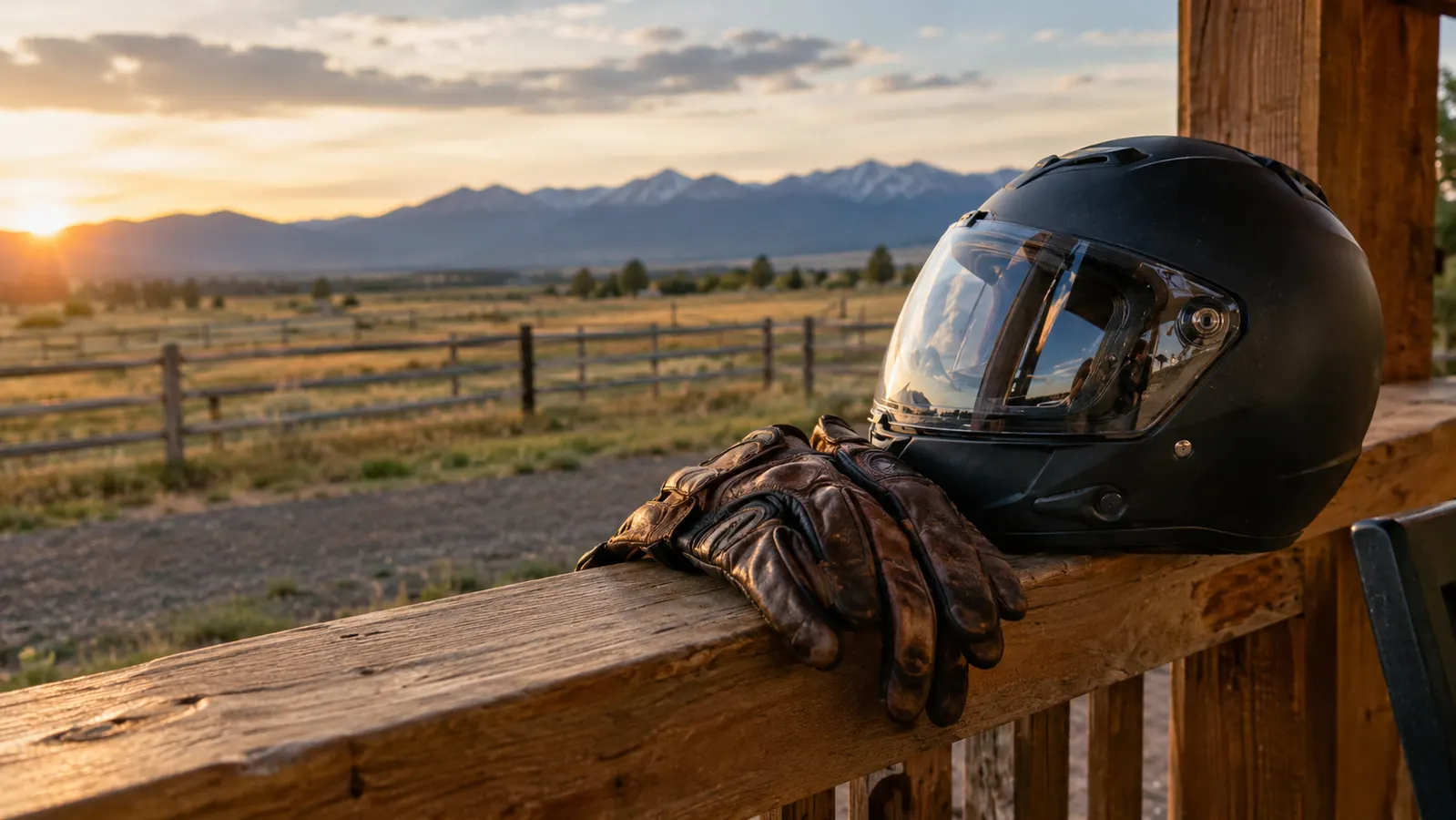
On care: I use a basic leather conditioner every few weeks, and that is it. No fancy products, no special routine. Ten minutes with a rag while the gloves are still warm from a ride. That has kept the leather supple and has probably doubled how long they will last. One more thing I did not expect: these gloves smell like leather, properly, in the way that new leather goods used to smell before everything became coated plastic. It also means they absorb, so if you wear them in the rain, let them dry slowly and naturally, not on a heater, or the leather will stiffen and crack.
What I Liked
- Real leather that softens and molds to your hand over time
- Stitching has held up through 6,000 miles, including the high-stress thumb seam
- Solid, predictable grip on the bars, even with damp palms
- Good feel for the controls, thick enough to protect without losing touch
- Honest value for the money
Where It Falls Short
- Break-in takes two to three weeks of regular riding
- Cuff runs small, and the opening is tight with bulky jacket sleeves
- Not waterproof, rain soaks through and wet leather gets cold
- No insulation, cold-weather riders will need liners
- Leather needs regular conditioning to last
Six thousand miles in, the stitching around the thumb is still tight, and that is the first place cheap gloves come apart. That alone tells you more than any spec sheet.
Who This Is For
These gloves are for the rider who wants real leather, rides most days, and does not need a brand name on the back of the hand. They are for the commuter who wants protection and feel without spending a week's pay. They are for the rider who understands that leather needs care and a break-in period and is fine with that. If that sounds like you, these will probably serve you well for a long time.
They are also a good first leather glove for a newer rider who wants to learn what real leather feels like without gambling a lot of money. If you are not sure whether leather is for you, starting here is a low-stakes way to find out. If you decide you hate the maintenance, you have not lost much. If you love it, you will know what to look for when you eventually spend more.
Who Should Skip It
Skip these if you ride in the rain often, because you will want something waterproof. Skip them if you are between sizes or wear a bulky-cuffed jacket, because the fit will frustrate you. Skip them if you want a glove you never have to think about, because leather asks for maintenance. And skip them if you ride in genuinely cold weather without a liner, because they will not keep your hands warm on their own. None of that makes them a bad glove. It makes them a specific tool for a specific rider.
Also, if you have short fingers or a narrow palm, the extra length in the fingers will probably bother you more than it bothered me. And if you are buying these as a gift, buy a size up from what the person normally wears, because the break-in will take care of the rest. A glove that is slightly big on day one fits right by week three. The reverse is not true.
Bottom line: I would buy them again.
After eight months and 6,000 miles, the COMMUTER leather gloves have done everything I asked of them, and the flaws are known and manageable. If you want a real leather glove without the luxury markup, today's price on Amazon is worth a look.
Amazon Check Today's Price on Amazon →