
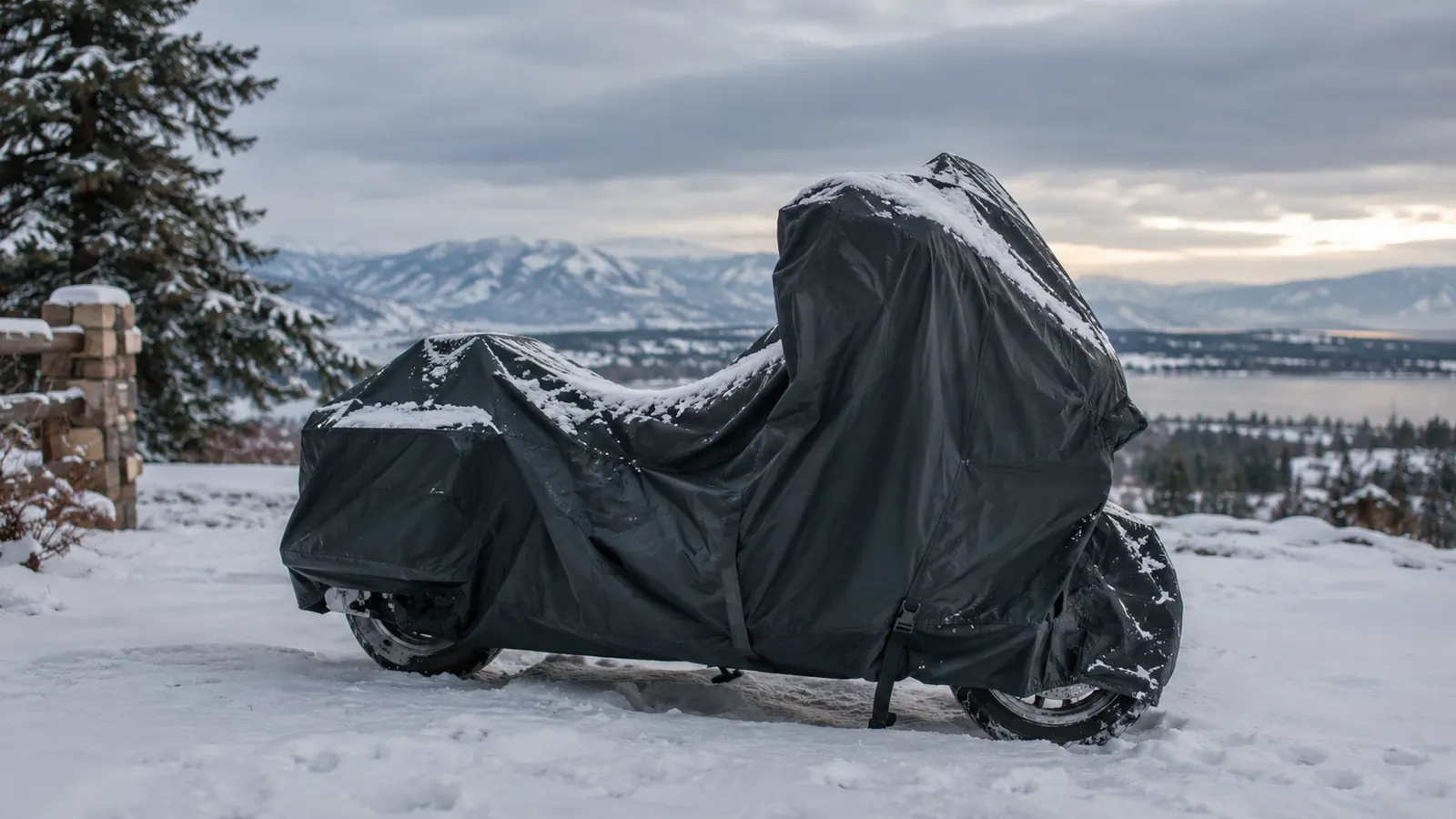
A motorcycle cover is the kind of purchase you don't think much about until the first hard frost hits, and then you're out in the dark with a tarp and a bungee cord, trying to remember why you didn't buy one in September. I've been riding for about 30 years, and I've ruined a seat and a set of grips to winter weather because I thought I could outlast it. So when I decided my 2017 Road King was going to spend a full Idaho winter outside Twin Falls, I bought the Favoto motorcycle cover, and I have strong opinions about what it did and didn't do.
This isn't a review written after a week of drizzle. The bike sat under this Favoto cover from late October through mid-April, through snow, freezing rain, wind, and the kind of cold that makes the driveway crack. Here's the honest, long-term take.
The Quick Verdict
A genuinely weatherproof cover that survived a full Idaho winter with almost no wear, kept the bike dry, and went back on the shelf looking like it could do it again. It isn't a garage, and it isn't a cure for a bike that's already rusting, but for the money it's the best outdoor shelter I've used.
Amazon Check Today's Price →Park it outside without losing sleep
The Favoto cover handles snow, freezing rain, and wind without turning your bike into a condensation trap. That's the whole job, and it does it.
Amazon Check Today's Price on Amazon →How I've Used It
My setup is simple. The Road King lives in an open carport with no walls, which means it gets weather from every direction. I put the Favoto cover on in late October after the first hard frost, and I took it off for good in mid-April. That's roughly six months of continuous outdoor exposure, not counting the days I pulled the cover off for a short winter ride and put it back on.
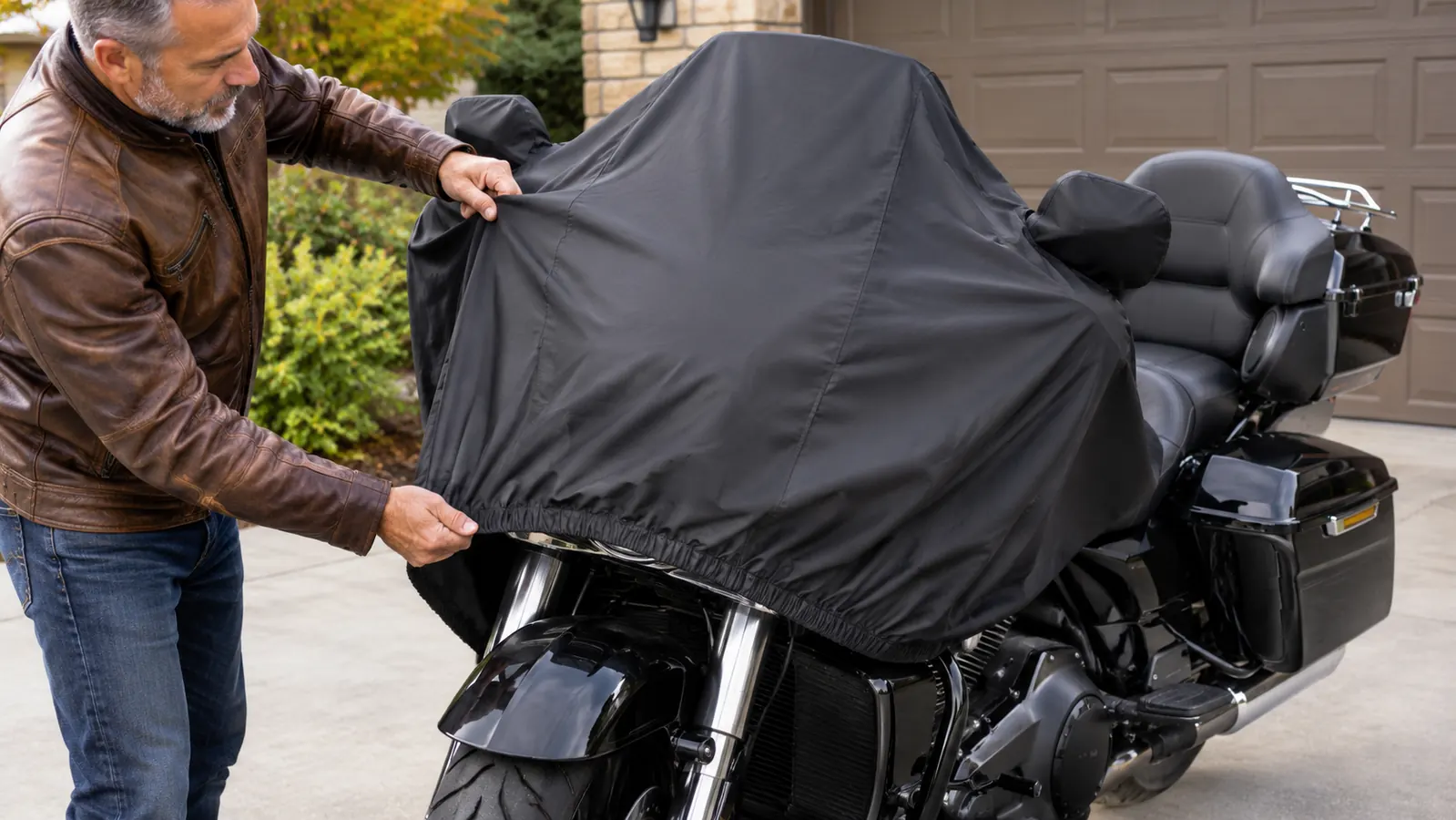
The cover fits a touring bike the way a cover is supposed to fit. It's long enough to cover the saddlebags and the rear end, and the elastic hem pulls it tight enough that it doesn't act like a sail when the wind picks up. The mirror pockets line up with the mirrors, and the buckle strap under the belly keeps it from shifting around. I didn't have to tie it down with anything extra, which I did with every other cover I've owned.
For the first month I checked on it every few days, mostly because I expected to find a wet seat or a ripped seam. I found neither. The real test came in January, when we got a stretch of snow that sat on the cover for three weeks straight. The snow piled up, froze, melted a little, and refroze. The cover never tore, and the bike underneath was dry. I'll take that over any spec sheet.
What the Favoto Cover Is Made Of and Why It Matters
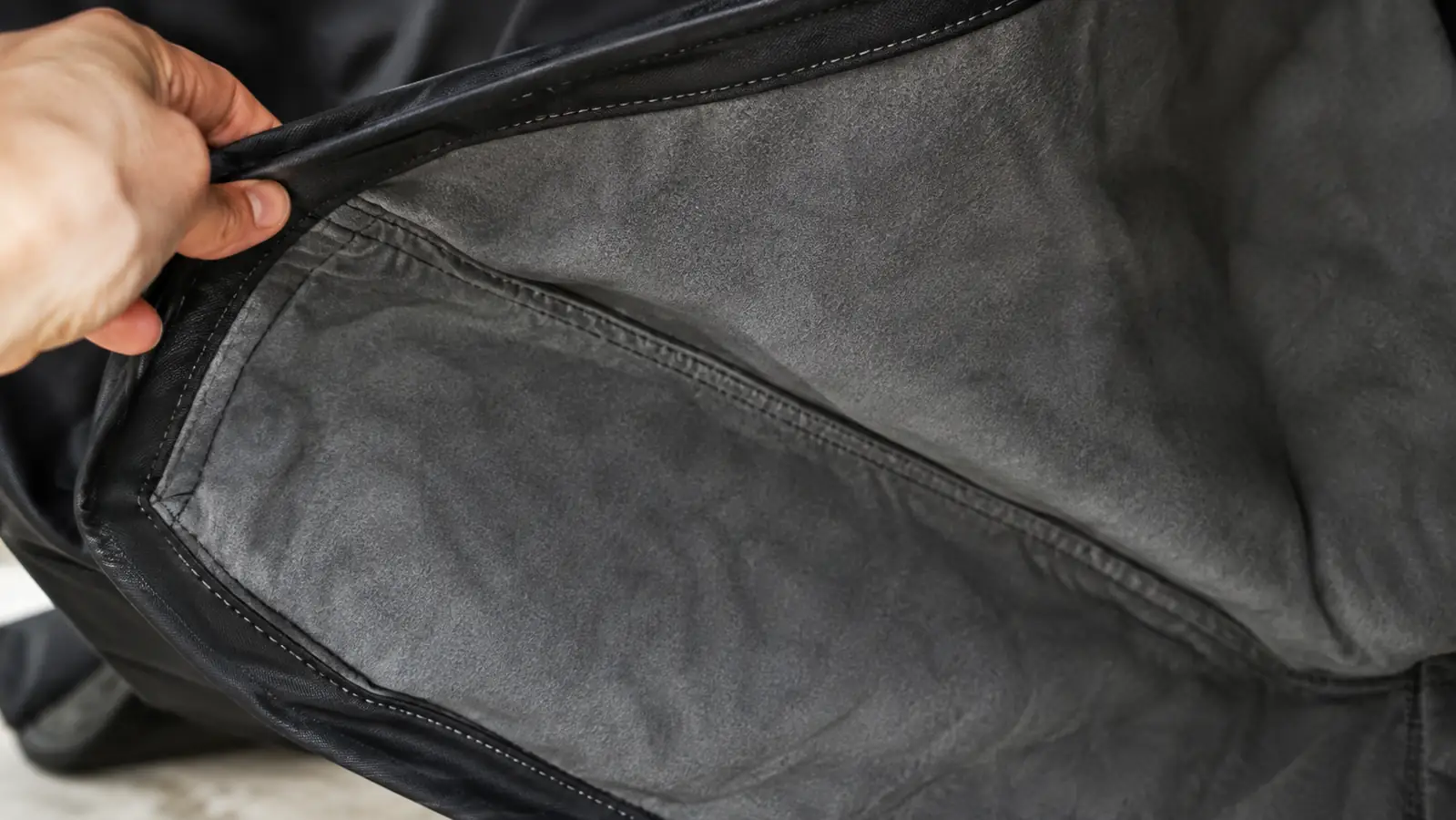
The Favoto cover is a heavy-duty polyester shell with a waterproof coating and a soft, non-scratch lining on the inside. That lining is not a marketing gimmick. My Road King has a fairing and painted saddlebags, and a cheap cover with a rough interior will rub fine scratches into paint over a winter of wind moving the cover back and forth. The Favoto lining stayed soft and didn't leave a single mark on the tank or the bags.
The seams are stitched and then sealed, which is the part that actually keeps water out. A cover can have the most waterproof fabric in the world, but if rain gets in through the needle holes, you've bought a very expensive tarp. After six months of snow and freezing rain, I never found a wet spot on the seat, the grips, or the dash. That's the whole ballgame for an outdoor cover.
The bottom edge has an elastic hem that runs the full perimeter, plus a strap that buckles under the bike. That strap matters more than most people think. Without it, a gust of wind gets under the cover, lifts it, and starts rubbing it against the paint. With it, the cover stays put. I had a few nights where the wind was strong enough to rock the bike on its sidestand, and the cover never came loose.
There are also two small vents near the front, which let trapped moisture escape. This is the detail that separates a good cover from a great one. If a cover seals completely tight, condensation forms underneath and you end up with a wet bike in a dry cover. The Favoto vents kept that from happening. In the spring, when the temperature swung between freezing nights and warm days, I checked the underside regularly and found it dry every time.
How It Held Up Over Six Months
The honest answer is better than I expected. I've gone through a lot of covers in 30 years of riding, and most of them start looking tired after one winter. The Favoto cover came through its first winter with no rips, no torn seams, and no broken buckles. The waterproof coating didn't peel or flake, which is the failure mode I've seen most often on cheaper covers.
The outer fabric faded slightly on top where the sun and snow worked on it, but that's cosmetic and doesn't affect the waterproofing. The elastic hem is still tight, which surprised me, because that's usually the first thing to go. The buckle strap still clicks solidly. If you asked me whether I'd trust it for a second winter, I'd say yes without hesitating.
Snow sat on this cover for three weeks straight, and the seat, the grips, and the dash were dry the whole time.
The one thing I'll note is that a cover is not a substitute for a garage when it comes to temperature swings. A garage keeps a bike at a fairly even temperature. A cover just keeps the weather off. If your bike sits in direct sun all summer or you're in a climate with huge temperature swings, you'll still get some condensation, just less of it. For me, the vents kept things dry enough that I never worried about it.
I also learned that a cover only protects what it covers. I left the bike on the sidestand all winter, and the sidestand foot sank into the gravel a little, which I would have caught either way. The cover can't help with the ground under the tires. That's not a flaw in the Favoto cover, just a reminder that a cover is one tool in a longer list of winter storage chores.
The Features That Actually Earn Their Keep
Let me walk through the features that matter on a real bike in a real winter, and which ones I'd skip.
The lock holes in the grommets are useful. I run a small cable lock through the cover's grommet and the front wheel, which won't stop a determined thief but will stop someone from just whipping the cover off and rolling the bike away. It also keeps the cover from walking off, which happens more than you'd think.
The built-in strap at the bottom is the feature I'd refuse to give up. My old cover had a strap that went around the middle, and it did nothing. The Favoto strap goes under the belly of the bike and cinches down, and that's what keeps the whole thing from becoming a parachute in a windstorm.
The carrying bag is a small thing, but it means the cover folds up and goes in the saddlebag when I'm on a trip. If a cover lives on the bike all year, a bag doesn't matter. But I pull mine off on warm weekends, and I don't want a wet bundle of fabric on the garage floor.
The reflective strips are another detail I didn't expect to care about. At night, in a parking lot, they make the bike easier to spot. I park at a motel on summer trips, and the reflective strips mean a driver backing out won't miss the bike entirely. It's not a safety feature in the way a helmet is, but it's free peace of mind.
What It's Not Good At
No cover is perfect, and the Favoto cover has a few honest weak spots. The biggest one is that it's a cover, not a structure. If a tree branch falls or a truck backs into the parking spot, the cover offers no protection. It's fabric. It handles weather, not impacts.
The second thing is the ritual. On days when the weather flips between sun and rain, you'll find yourself taking the cover off and putting it back on a lot. I ride most days, and on a week of on-and-off weather, the cover spends more time in my hands than on the bike. If that sounds exhausting, a cover might not be for you.
The third thing is fit on very small bikes. The Favoto cover is built for full-size motorcycles, and it fits a touring bike like mine with room to spare. On a small standard or a scooter, you'll have extra fabric bunched up at the bottom, which means more wind flap. It will still protect the bike, but it won't look as tidy as a cover sized specifically for a smaller machine.
How the Favoto Cover Compares to the Cheaper Ones I've Owned
I've owned covers at every quality level, from a bargain-bin special that disintegrated in one season to a canvas monster that weighed as much as a saddlebag. The Favoto cover sits right in the middle, and it outperforms everything I've had in that range.
The cheap covers failed in predictable ways. The stitching pulled apart at the mirror pockets, the elastic went limp by February, and the waterproof coating turned sticky and started flaking off onto the bike. The Favoto cover had none of those problems. After six months, the stitching is intact, the elastic is tight, and the coating is still doing its job.
The expensive canvas cover I owned was heavier and more durable, but it was also a pain to handle. It soaked up water like a towel, took two days to dry, and was hard to fold back into its bag. The Favoto cover is lighter, dries fast, and packs down small. For a bike that sits outside all winter, I'd take the Favoto cover over the heavy canvas one.
How I Use It in the Summer Too
The Favoto cover isn't just a winter tool for me. In the summer, the bike spends most nights in the open carport, and I use the cover whenever the forecast looks ugly or when I know the bike will sit for more than a few days. It keeps the dew off the seat in the morning, keeps the sun from baking the dash, and keeps the dust down. A cover that only comes out in December is a cover you'll forget how to use.
I've also used it on the road. On the long trip Carol and I took last summer, we stopped at a motel in a thunderstorm, and I had the cover on the bike in under two minutes. In the morning, the bike was dry and ready to go while every other bike in the lot had a wet seat. That's when a good cover stops being a storage accessory and starts being travel gear.
What I Liked
- Survived a full Idaho winter with no rips, no torn seams, and no broken buckles
- Kept the seat, grips, and dash dry through three weeks of snow and freezing rain
- Soft lining didn't scratch the tank or saddlebags
- Vents stop condensation, which is the quiet killer of outdoor motorcycles
- Strap under the belly keeps it from acting like a sail
- Comes with a carrying bag and reflective strips
Where It Falls Short
- No impact protection; it's weatherproof, not armor
- The on-and-off ritual gets old if you ride daily in changing weather
- Roomy fit on a touring bike means small bikes will have extra fabric
Who This Is For
If you park a motorcycle outside, even part-time, and you live somewhere with actual weather, the Favoto cover is for you. It's for the rider who wants to walk out to a dry seat on a cold morning, who doesn't want to explain to their spouse why the garage is full of motorcycles, who leaves a bike at a campsite or a motel lot for a week and wants it to look like it did when they parked it.
It's also for the rider who has already lost a seat cover or a set of grips to a wet winter. The Favoto cover costs less than replacing either of those, and it protects the whole bike. Carol and I took a long trip last summer, and the cover went in the saddlebag the whole way. When we stopped for the night, the bike was covered in ten minutes and ready for whatever the morning brought.
Who Should Skip It
If your bike lives in a heated garage and only sees daylight on sunny days, you don't need this cover. If you're parking a bike in an area with heavy theft, a fabric cover is not a security device, and you should spend your money on a good chain and a disc lock instead. And if your bike already has rust, faded paint, or leaky seals, a cover won't fix any of that. It stops new damage; it doesn't undo old damage.
One more honest note: if you ride every single day in the rain, the ritual of pulling the cover on and off will get old fast. A cover is for bikes that sit, not for bikes that are in use every day. And if you have a small bike or scooter, the extra fabric will flap in the wind. It'll still protect the machine, but you might be happier with a cover sized for your specific model.
Give your bike the winter it deserves
A full season of snow, wind, and freezing rain, and the Favoto cover is still going strong. Your bike will thank you next spring.
Amazon Check Today's Price on Amazon →